
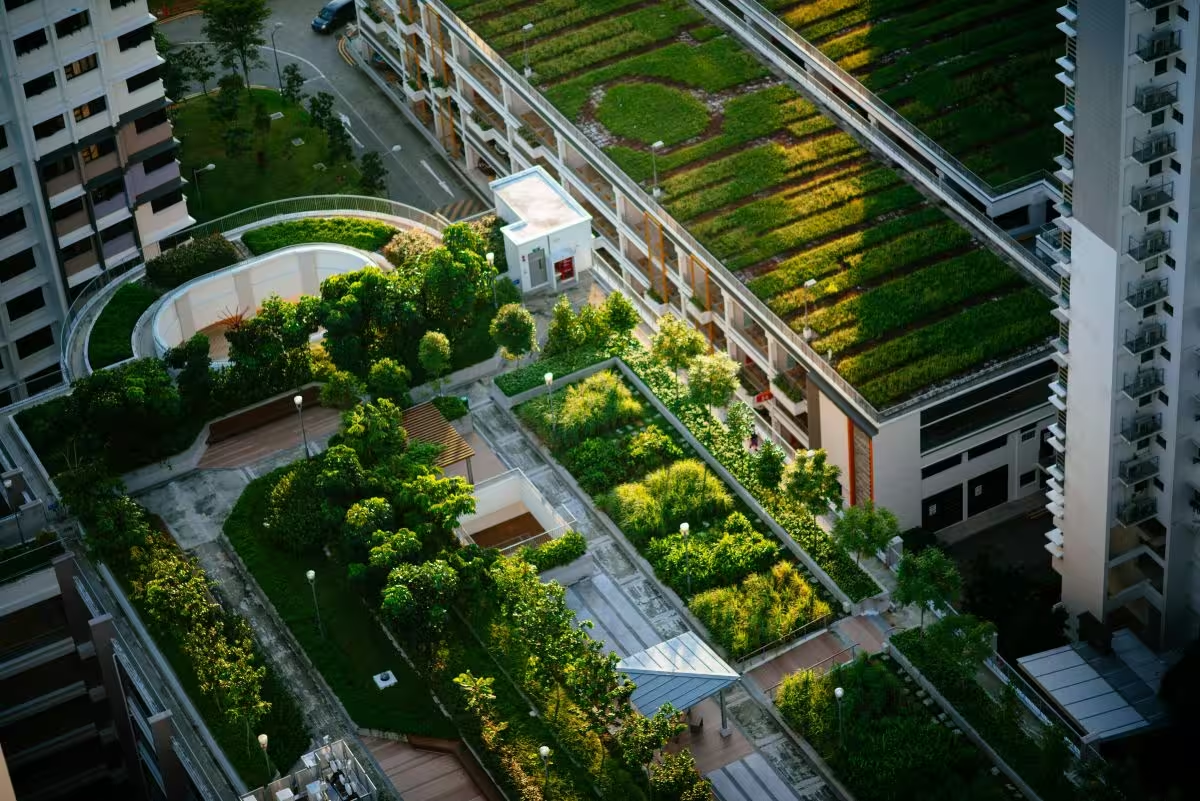
Green Roofs, Urban Forests and Biodiversity: Growing Nature in Cities
TechnoVita.net
As urbanisation continues globally, cities around the world are adopting innovative green infrastructure solutions to combat climate change, support biodiversity, and improve residents’ quality of life. Green roofs, urban forests, and other nature‑based initiatives are transforming concrete landscapes into thriving ecosystems that benefit humans and wildlife alike.
Why Urban Green Matters for Biodiversity
Urban areas typically have limited natural habitats, which leads to lower biodiversity and ecological imbalance. Integrating greenery into city infrastructure helps counter these issues by providing food, shelter, and corridors for plants, insects, birds, and small animals. Green roofs and microforests also improve air quality, reduce heat island effects, and capture stormwater, making cities more resilient to climate impacts.
Green Roofs: Nature on Top of Cities
Green roofs — vegetated layers installed on building rooftops — are more than aesthetic features. They act as mini ecosystems, supporting native plants, pollinators and urban wildlife. Studies show these roofs host more diverse arthropod and plant communities compared to conventional roofs, increasing metropolitan biodiversity and ecological connectivity.
Cities such as Basel, Switzerland, have championed green roof policies for years, requiring vegetated roofs on new developments to enhance biodiversity, manage rainwater, and cool urban environments.
Practical Applications of Green Roofs
- Green bus stops and shelters: Some cities are piloting small green roofs on bus stops to provide pollinator habitats and reduce heat effects in streets.
- Certified rooftop projects: In Amsterdam, educational centre rooftops have been nominated for sustainability awards for demonstrating how green roofs contribute to human health and biodiversity.
- Urban Forests and Microforests: New City Lungs
- Urban forests — intentional tree plantings and forest patches within cities — are rapidly expanding as part of climate adaptation and biodiversity strategies. These forests help absorb carbon, reduce temperatures and foster diverse plant and animal communities.
Recent Developments
Mumbai’s Uttan urban forest: A former dumping ground in India has been transformed into an 8,600‑tree urban forest using the fast‑growing Miyawaki method, which supports dense native vegetation and ecological balance.
Mini jungles in Nagpur: Local authorities are establishing 50 mini urban forests, each hosting hundreds of native trees to act as “green lungs” of the city.
These projects highlight how smaller, community‑driven forests can significantly improve biodiversity, air quality, and public well‑being.
Connecting Green Spaces for Wildlife Movement
For biodiversity to thrive, green spaces must be connected. Small green roofs and isolated trees are beneficial, but linking them with corridors — such as vegetated walls, tree lines and pocket forests — allows species to move, forage and breed across urban areas. Innovative lightweight greening systems and smart irrigation solutions make it possible to integrate such features even on plazas and streets.
Shared Benefits: People and Planet
Nature‑based urban solutions offer dual benefits: ecological enhancement and human well‑being. Green infrastructure reduces stormwater runoff, alleviates urban heat, and creates recreational spaces for communities. Studies and urban planning forums emphasise that such investments not only support biodiversity but also foster healthier lifestyles and stronger community engagement in sustainability.
Looking Ahead: Greener Cities for the Future
As cities continue to prioritise sustainability, green roofs and urban forests will play a crucial role in building climate‑adaptive, biodiverse, and livable urban environments. New policies, community projects, and innovative technologies will help expand these nature‑based solutions — turning cities into thriving ecosystems where both people and wildlife flourish.
You can read all comments, but you must log in to post or reply.
No comments yet. Be the first to react!