
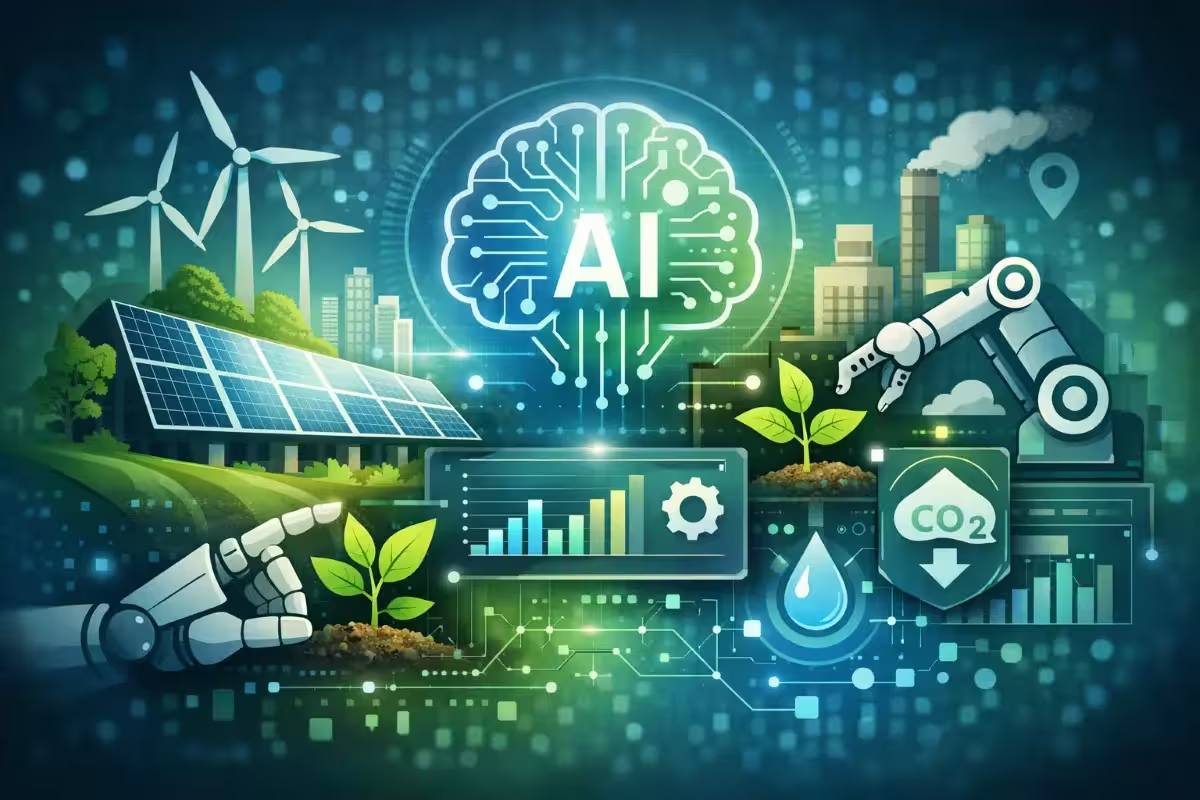
Artificial Intelligence as a Driver of Sustainable Innovation
TechnoVita.net
Sustainability has become a defining challenge of the 21st century. Climate change, resource scarcity, and rising energy demand force organizations to rethink how they operate. Artificial intelligence (AI) is increasingly recognized as a key technology in addressing these challenges. By transforming raw data into actionable insights, AI enables smarter decision-making that directly supports environmental sustainability.
How AI Supports Sustainable Resource Management
AI-based sustainability solutions rely on machine learning models that analyze large volumes of data from multiple sources, such as sensors, production systems, and external environmental data. These systems continuously learn from changing conditions and adapt their recommendations accordingly. As a result, organizations can reduce energy use, minimize waste, and optimize resource allocation in real time.
Unlike traditional sustainability tools, which often focus on reporting and retrospective analysis, AI systems are proactive. They detect inefficiencies as they emerge and predict future risks, allowing organizations to intervene early. This shift from reactive to predictive management is one of AI’s most important contributions to sustainability.
Reducing Energy Consumption and Emissions
One of the most impactful applications of AI is in energy optimization. AI systems can monitor energy consumption across buildings, factories, or entire grids and identify patterns of unnecessary usage. By adjusting heating, cooling, lighting, or machinery operations automatically, AI reduces both energy costs and carbon emissions.
In environments that rely on renewable energy, AI also helps balance supply and demand. Accurate forecasting of solar and wind energy production ensures that clean energy is used efficiently, while dependence on fossil fuel-based backup systems is minimized.
Concrete Application: AI in Smart Building Management
A practical example of AI-driven sustainability can be found in smart building management systems. In large office buildings, energy consumption is often inefficient due to fixed schedules and limited insight into actual occupancy. An AI-powered building management system addresses this issue by combining data from motion sensors, temperature sensors, weather forecasts, and historical usage patterns.
The AI system learns when and where people are present in the building and adjusts heating, ventilation, and air conditioning (HVAC) systems accordingly. For example, meeting rooms are only heated or cooled when they are in use, and lighting levels are automatically adapted to natural daylight availability. In several real-world implementations, such systems have reduced energy consumption by up to 20–30 percent without compromising occupant comfort.
Beyond energy savings, the system also predicts maintenance needs. By identifying early signs of equipment wear, it prevents breakdowns that often lead to energy waste and costly repairs, further improving the building’s environmental performance.
Improving Transparency and Decision-Making
AI-driven sustainability platforms provide clear dashboards that translate complex operational data into understandable environmental metrics. Facility managers and executives can monitor carbon emissions, energy intensity, and resource usage in real time. This transparency supports better strategic decisions and strengthens accountability toward regulators, investors, and the public.
Challenges and Responsible Implementation
While AI offers significant sustainability benefits, responsible implementation is essential. High-quality data, robust cybersecurity, and ethical data governance are critical to ensuring reliable outcomes. Additionally, organizations must consider the energy footprint of AI systems themselves and prioritize efficient, well-designed models.
Conclusion
AI-powered sustainability solutions demonstrate how technological innovation can align environmental responsibility with operational efficiency. Through intelligent resource management and predictive analytics, AI enables organizations to reduce their environmental impact while maintaining performance and competitiveness. As adoption increases, AI has the potential to become a cornerstone of a more sustainable and resilient global economy.
You can read all comments, but you must log in to post or reply.
No comments yet. Be the first to react!